Some men just refuse to die.

Podcast: Play in new window | Download
Subscribe: RSS

Some men just refuse to die.
Podcast: Play in new window | Download
Subscribe: RSS
Some men just refuse to die.
Podcast: Play in new window | Download
Subscribe: RSS
The books included in producing this podcast were:
“Defiant Courage,” by Astrid Karlsen Scott, and,
“We Die Alone,” by David Howarth.
The music used in this podcast consisted of “The Awakening,” in the part one intro and part two outro, and “The Battle of 1066,” in the part one outro and part two intro. both were composed by Patrick Patrikios.
The books used in producing this podcast included:
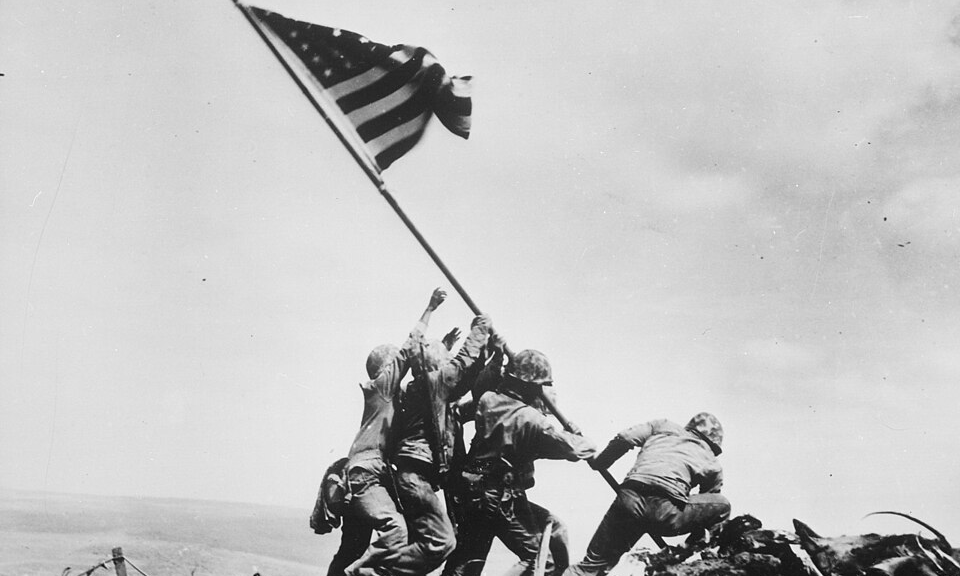
“Flags of Our Fathers,” by James Bradley, and
“Ira Hayes: The Akimel Oodham Warrior, World War II and the Price of Heroism.
The music used in this podcast included:
Intro, both episodes: “Epic Battle Speech,” by Wayne Jones.
Outro, both episodes: “Semper Fidelis,” by the United States Marine Corps Band


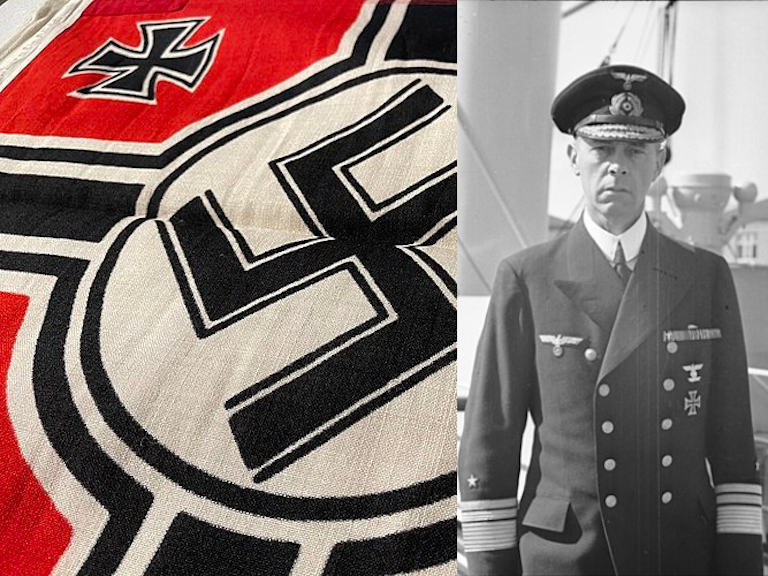
Gunther Lutjens: The Admiral Behind the Bismarck’s Fateful Voyage
Discover the untold story of Admiral Gunther Lutjens and the nine-day voyage of Nazi Germany’s most powerful battleship, the Bismarck. This bite-sized biography delves into the naval strategies, political tensions, and dramatic sea battles that led to one of World War II’s most epic maritime confrontations. From Hitler’s rearmament plans to the sinking of the HMS Hood, uncover the forgotten details of this pivotal moment in naval history.
Podcast: Play in new window | Download
Subscribe: RSS
The books that provided the back ground for this podcast included:
“The Bismarck, 1941: Hunting Germany’s Greatest Battleship,” and
“Bismarck: The Final Days of Germany’s Greatest Battleship,” by Niklas Zetterling.
The music used in the intro of part one and outro of part two was:
“Broken Promise,” by Jimena Contreras, and
The outro in part one and intro in part two was:
“Standoff,” by Density and Time.


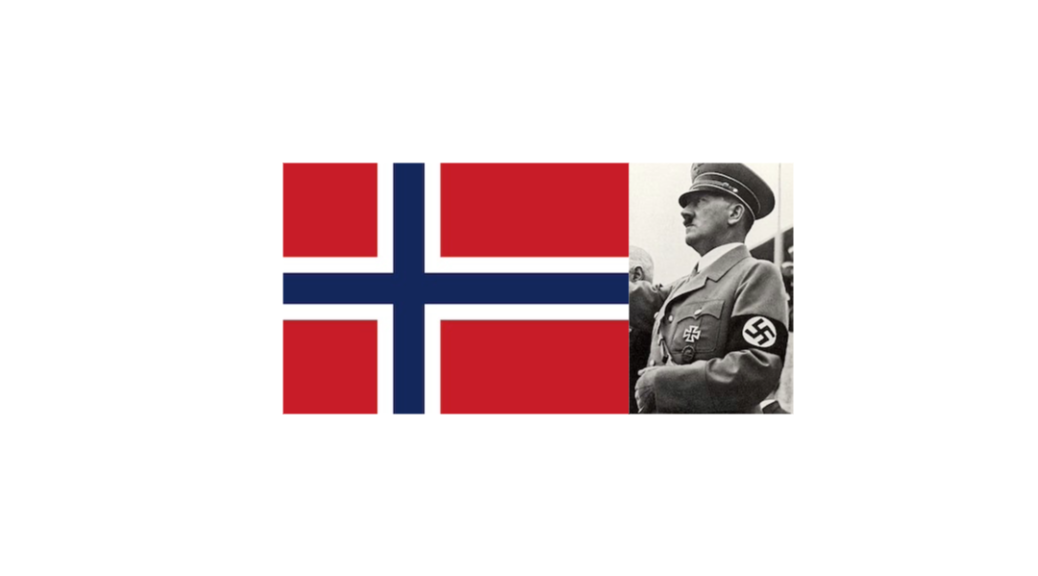
Shortly after the conquest of Norway by Nazi Germany, Allied intelligence determined that an electrical plant at Rjukan, Norway was providing a crucial element in a potential German atomic bomb. As a result, Norwegian commandos embarked on one of the most successful and heroic operations of World War II.
Discover the untold story of the Norwegian heroes who sabotaged Hitler’s atomic weapons program. This episode delves into the daring Operation Freshman and the subsequent Operation Gunnerside, revealing how a small group of resistance fighters and Allied commandos risked everything to destroy the Nazi heavy water production facility at Vemork. Learn about Leif Tronstadt, the brilliant chemist-turned-spy, and the brave men who skied across treacherous terrain to change the course of World War II. Uncover the high-stakes world of wartime espionage, cutting-edge science, and unsung heroism in this gripping tale of courage against overwhelming odds.
Podcast: Play in new window | Download
Subscribe: RSS


Shortly after the conquest of Norway by Nazi Germany, Allied intelligence determined that an electrical plant at Rjukan, Norway was providing a crucial element in a potential German atomic bomb. As a result, Norwegian commandos embarked on one of the most successful and heroic operations of World War II.
Discover the untold story of the Norwegian heroes who sabotaged Hitler’s atomic weapons program. This episode delves into the daring Operation Freshman and the subsequent Operation Gunnerside, revealing how a small group of resistance fighters and Allied commandos risked everything to destroy the Nazi heavy water production facility at Vemork. Learn about Leif Tronstadt, the brilliant chemist-turned-spy, and the brave men who skied across treacherous terrain to change the course of World War II. Uncover the high-stakes world of wartime espionage, cutting-edge science, and unsung heroism in this gripping tale of courage against overwhelming odds.
Podcast: Play in new window | Download
Subscribe: RSS
The books used in the making of this podcast included:
“The Winter Fortress,” by Neal Bascomb,
“Skis Against the Atom,” by Knut Haukelid,
and “Assault in Norway,” by Thomas Gallagher.
The music used in both episode intros was, “Over the Mountain,” by The Mini Vandals.
The music used in both episode outs was, “Snowy Peaks, Part II,” by Chris Haugen
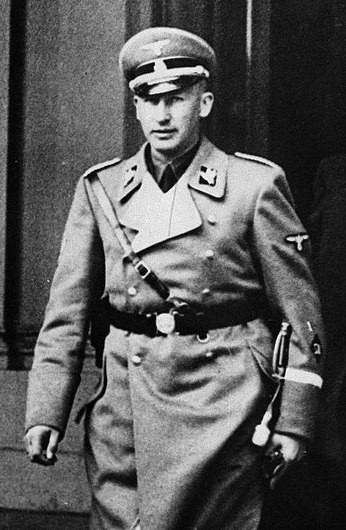
In 1942, the Czech government in exile decided to parachute two commandos into the former Czechoslovakia to assassinate Reinhard Heydrich, considered the most brutal and sinister Nazi in Occupied Europe. Code named Operation Anthropoid, this suicide mission remains one of the most heroic and remarkable stories of World War II.

Nazi lore has it that Heinrich Himmler, appointed in 1929 as the head of the newly formed SS, was intent on developing a unit consigned with obtaining and organizing intelligence on both internal party members and external individuals of political and social interest, essentially an elite domestic spying apparatus. Heydrich’s dossier was given to Himmler by a Von Osten connection and the Reichsfuhrer was impressed enough to summon the former officer to headquarters in Munich. However, at the last minute the interview was cancelled, a development that Heydrich and Lina perceived as a sign that he had been eliminated from consideration. Heydrich, encouraged by Lina, decided to keep the appointment anyway and when he got to Munich, managed to wangle a 20 minute interview. As it turned out, the appointment was cancelled merely because of Himmler not feeling well and he was doubly irritated by having to deal with an official matter during his illness. Initially resolved to quickly dispense with this annoyance, the Reichsfuhrer brusquely informed the candidate that he had twenty minutes to describe how Heydrich would organize a potential internal party intelligence agency. It probably did not hurt that the six foot, blonde haired, blue eyed candidate exactly fit the Aryan physical prototype of the perfect SS man. Himmler was so surprised and impressed by Heydrich’s thoughtful and detailed response that he hired him on the spot. Reinhard Heydrich, 27 years old, was now the head of what eventually became known as the Sicherheitsdienst or SD, literally, in English, the Security Service.

Reporting to the German naval port city of Kiel, Heydrich quickly was perceived as an outsider, especially when he showed up for training with a violin. This possession differentiated him from his lower class compatriots as pompous and even effeminate. His high-pitched voice, tall, gawky demeanor and lack of self confidence did little to endear him to his fellow cadets, another native of his hometown did him no favors by repeating the rumor that he was actually Jewish. A lesser individual might have crumbled under this type of adversity but instead Heydrich thrived on his loner status, becoming technically proficient in wireless operations and passing language exams in French, Russian and English. He completed his initial training, received promotions and excelled in athletic competitions that included fencing, horse riding and even membership in the naval pentathlon team. Heydrich’s naval career progressed positively during the twenties and resulted in a promotion to sub-lieutenant, an officer’s rank.

To maintain his personal profile and also the national relevance and autonomy of his organization, Eduard Benes resolved that some bold and decisive action must be undertaken, even if it was symbolic, to reassert, even conceptually, the existence of the Czech resistance. He also hoped that the operation was so bold as to serve as a catalyst for a massive uprising of the Czech population. This concept precipitated the specific plot to assassinate Reinhard Heydrich, code named Anthropoid.

Secret commando agents had parachuted into the former Czechoslovakia already, with very limited success. Most were rounded up and executed after only a few weeks of operation. But these agents came from an ongoing initiative, assisted by the British Special Operations Executive, to continue to infiltrate Czech operatives into the Protectorate. From this operation two commandos were selected, Josef Gabcik and Jan Kubis, for the specific purpose of killing both Heydrich and Karl Herman Frank.

It was not until December 28, 1941, that the British Air Command provided a long-range Halifax bomber to transport all nine of the Czech agents to three separate drop zones. The flight, with sixteen men total, including crew, and a full load of fuel did not allow for any evasive maneuvers in the event of detection, but the bomber made it across France and Germany without incident. Unfortunately, short summer nights meant that the darkness necessary for such an operation was only possible in the dead of winter. Thus, freshly fallen snow removed any opportunity to note landmarks identifying appropriate drop zones, nevertheless Gabcik and Kubis went out first the other two teams jumping shortly thereafter.

Heydrich used information provided by Karl Herman Frank, another Nazi official in the Protectorate administration, to aid in this process. Frank believed that should Von Neurath be pushed aside, he would be appointed as the replacement. On September 21, 1941, all interested parties met at Hitler’s East Prussian bunker headquarters to discuss this situation. First, Frank met with Hitler to enumerate issues and complaints concerning Von Neurath and even was afforded the privilege of eating lunch with the Fuhrer.

Karl Herman Frank was again denied a promotion, the SS General Kurt Daluege was appointed as temporary Reichsprotector. Himmler sent his personal physician to take charge of Heydrich’s treatment, Goebbels wrote in his diary that “such an attack could set a precedent if we do not counter it with the most brutal means.”

Podcast: Play in new window | Download
Subscribe: RSS